
Featured smart bands, connected watches, and biometric monitoring platforms engineered to meet Japanese regulatory, industrial design, and firmware standards.
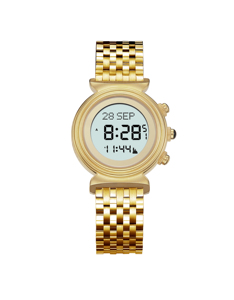
Ruggedized stainless steel casing with high-contrast LCD screen. Features multi-zone heart rate telemetry, automated interval tracking, and IP68 waterproof performance.
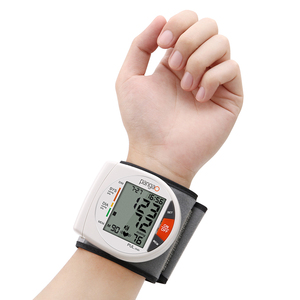
CE & RoHS certified wrist wearable designed for non-invasive continuous blood pressure screening, HRV pulse analysis, and real-time arrhythmia alert telemetry.
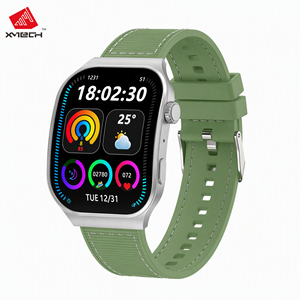
Sleek rectangular silicone wearable incorporating localized AI voice navigation, blood pressure estimation, continuous SpO2 tracking, and micro-payment protocols.
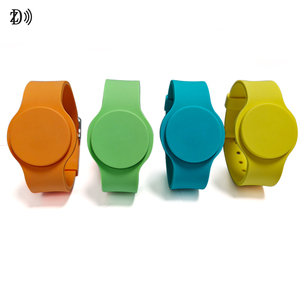
High-grade NTAG215 waterproof silicone bracelet custom-engineered for marathons, fitness centers, corporate wellness tracking, and cashless access systems in Japan.
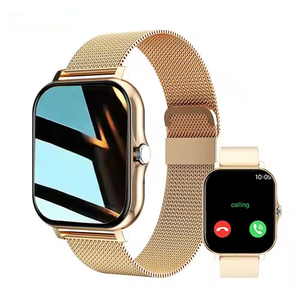
Ultra-lightweight alloy design with low-power optical pulse sensor. Delivers dynamic real-time heart rate curve graphs, workout zone tracking, and smartphone alerts.
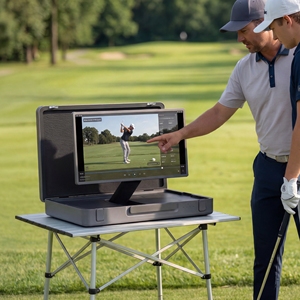
27-inch touch terminal running Android 14. Perfect for fitness studio hub monitoring, golf swing data visualization, and group heart rate telemetry analysis.
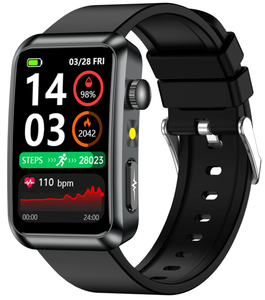
Designed specifically for elderly health monitoring programs in Japan. Features extra-large high-contrast LCD text, IP68 rating, single-button Bluetooth calling, and 7-day battery life.
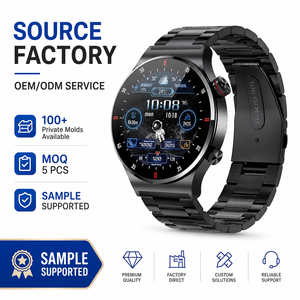
Premium executive design combining real-time Bluetooth calling with accurate PPG pulse rate optical tracking, blood oxygen indexing, and high-frequency sleep staging.
Understanding the strict regulatory frameworks, user preferences, and optical sensor benchmarks required to successfully launch fitness heart rate monitors in the Japanese market.
The demand for personal health monitors and fitness heart rate devices in Japan is experiencing unprecedented growth. Driven by an aging population, a proactive culture around preventative health, and corporate health management initiatives known as Kenko Keiei (健康経営), Japanese consumers and institutional buyers demand far more than basic step counting.
Japanese procurement standards rank among the most stringent globally. To compete effectively on Japanese e-commerce channels (such as Rakuten and Amazon Japan) or within major physical retail chains (like Bic Camera, Yodobashi Camera, and Yamada Denki), importers and OEM brands must align with precise hardware and software parameters.
Unlike Western markets where aggressive aesthetics and bulky outdoor ruggedness often lead sales, Japanese end-users favor subtle ergonomics, lightweight construction (<35g including strap), and extreme battery optimization.
Furthermore, companion mobile applications must feature native Japanese localization (Nihongo), direct integration with popular Japanese notification channels like LINE, and seamless synchronization with Apple HealthKit and Google Fit without requiring intrusive account registration processes.
From Tokyo corporate wellness programs to rural senior care networks, our heart rate monitoring hardware platforms are engineered for diverse Japanese environments.
Japan’s high proportion of elderly citizens has boosted adoption of remote telehealth monitors. Devices equipped with 24/7 continuous optical PPG heart rate tracking, passive SpO2 monitoring, and one-touch panic call features allow nursing homes in prefectures like Nagano and Hokkaido to remotely monitor patient vital signs via secure cloud APIs.
Under Japanese government incentives, publicly listed enterprises deploy wearable heart rate monitors to employees. By tracking daily exertion metrics, stress levels (via Heart Rate Variability - HRV), and sleep quality, corporations reduce burnout and lower corporate health insurance liabilities.
Long-distance running is deeply embedded in Japanese sports culture, exemplified by the Tokyo Marathon and Hakone Ekiden. Fitness runners require ultra-accurate zone training feedback (aerobic vs. anaerobic thresholds) delivered through anti-glare screens that remain visible under direct Japanese midday sunlight.
During humid Japanese summers (June–August), construction companies in metropolitan Tokyo and Osaka issue real-time PPG pulse trackers to field personnel. When heart rate trends exceed safety thresholds alongside high ambient heat indices, vibrating micro-alerts signal workers to take immediate hydration breaks.
Boutique indoor gym chains and automated screen-golf centers across Japan use central telemetry hub units (such as our 27-inch Android smart display platform) to aggregate group heart rate data, live calorie expenditure, and swing analytics via low-latency Bluetooth broadcast protocols.
Kids-tech fitness trackers integrated with NFC chips allow children in primary schools to register attendance, tap into public transit networks (such as Suica/Pasmo pass-through compatibility), and notify parents via continuous GPS positioning and panic signaling.
Comparing next-generation factory capabilities against standard market offerings to help procurement teams make informed decisions.
| Evaluation Parameter | Standard Commercial Grade | Japanese Market Benchmark (Oaxis Grade) | Sourcing Impact |
|---|---|---|---|
| Wireless Certification | Basic CE / FCC only | Full TELEC (MIC Giteki Symbol) certified | Prevents severe legal customs seizure & store removal in Japan |
| PPG Sensor Architecture | Single-green LED (Low SNR) | Multi-wavelength (525nm Green + 940nm IR + Red) | Ensures precision during high-intensity motion & low perfusion |
| Waterproof Standard | IP65 Splash Proof | IP68 Real Water Immersion (50m depth rating) | Survives swimming, rain, and humid hot spring environments |
| Power Optimization | Generic MCU (2–3 Days) | Nordic Semiconductor Low-Power BLE 5.3 SoC (10–30 Days) | Eliminates charging anxiety for elderly and heavy users |
| Battery Safety | Standard Li-ion cell | PSE Mark Certified Lithium Battery with Seiko IC Protection | Prevents thermal runaways and complies with Electrical Safety Act |
| Data Privacy Infrastructure | Unencrypted public cloud | AES-128 Hardware Encrypted Bluetooth & APPI-Compliant Cloud | Fulfills Japanese corporate legal requirements for biometric storage |
With engineering heritage dating back to 2011, award-winning industrial design teams, and strict quality control standards, we simplify private-label hardware manufacturing.
Founded with a focus on human-centric industrial design, our platforms have won four international awards including iF Design Awards and Computex d&i Awards. We combine elegant aesthetics with robust internal structural engineering.
We provide full-stack customized solutions: from micro-tooling modifications and specialized colorway matching to firmware adaptation, SDK integration, custom mobile app white-labeling, and Japanese box design.
Every batch of heart rate monitors undergoes 100% electrical parameter testing, automated optical inspection (AOI), water pressure immersion tests, high-temperature ageing, and pairing verification before cartoning.
Target price mapping, optical sensor selection, battery capacity planning, and TELEC scope determination (3–5 days).
Laser-engraved logo proofing, Japanese manual layout proofing, app skinning, and golden sample sign-off (10–15 days).
High-speed SMT assembly, ultrasonic waterproof sealing, battery cycle testing, and AQL 0.65 inspection (25–35 days).
Customs clearance documentation, TELEC compliance certificate submission, ongoing SDK maintenance, and 12-month warranty support.
Addressing essential legal, technical, and logistical questions raised by buyers sourcing fitness heart rate monitors for the Japan market.
Connect with our product engineering team today to request hardware datasheets, TELEC test reports, golden samples, and competitive factory-direct quotations.
Contact Us