🏆 iF Design & Computex award-winning engineering•Retail & OEM partners in 30+ markets
Global B2B & OEM/ODM Sourcing Guide

The Definitive Engineering & Sourcing Guide for E Ink Smartphone Cases

Analyzing E-Paper dual-screen tech architecture, RF compatibility, NFC energy harvesting, and 2025–2030 procurement trends for consumer electronics buyers.

Send an Inquiry
2011Founded in Singapore (Pioneer of InkCase)
4International Design Awards (iF & Computex)
30+Global Distributor & Telecom Markets
1M+E Ink & Smart Wearable Units Shipped
Technical Architecture & Hardware Engineering

How E Ink Smartphone Cases Work: EPD Stack, Bistability & Low-Power Integration

For global consumer electronics purchasers, telecom buyers, and brand managers, evaluating an E Ink smartphone case requires understanding electrophoretic display dynamics, micro-controller firmware, and RF shielding design.

1. Micro-Encapsulated Electrophoretic Display (EPD) Fundamentals

An E Ink smartphone case—often categorized in enterprise procurement briefs as an e-paper phone cover or dual-screen smartphone protective shell—integrates a secondary reflective display into the rear of a phone protective housing. Unlike primary OLED or LCD mobile displays that emit light using backlights and draw heavy continuous power (measured in hundreds of milliwatts), Electrophoretic Display (EPD) technology uses millions of microscopic ink capsules suspended in a clear liquid. Each capsule contains positively charged white pigments and negatively charged black pigments.

When an electrical field is applied via an integrated micro-driver board inside the case, specific pigments migrate to the top surface of the capsule, rendering sharp text, high-resolution graphics, widget dashboards, QR codes, or e-books readable in direct sunlight. Crucially, E Ink displays are bistable: once the electrical pulse positions the micro-particles, zero electrical power is required to maintain the static image on screen. Power is consumed solely during a page update cycle (refreshing the display state).

2. Optical Bonding & Impact Resistance Shielding

Integrating a brittle glass-substrate EPD panel inside a flexible, drop-proof smartphone enclosure introduces structural engineering hurdles. Standard glass display modules fracture easily under torsions during severe drop tests. Oaxis engineered a specialized multi-layer lamination method to solve this limitation:

  • Optical Clear Adhesive (OCA) Full-Lamination: Eliminates air gaps between the EPD module and top protective window, minimizing internal light reflection and increasing optical clarity up to 98% sunlight readability.
  • 9H Anti-Glare Tempered Glass Cover Lens: Treated with oleophobic and anti-fingerprint nanocoatings to ensure scratch protection while dampening surface impacts.
  • Floating TPU & Polycarbonate Chassis: Encapsulates the delicate display driver IC and flexible printed circuit board (FPC) within shock-absorbing thermoplastic polyurethane side rails and high-tensile structural polycarbonate backing.

3. Low-Power Bluetooth (BLE) & NFC Wireless Interface Architecture

Modern B2B buyers frequently ask how an E Ink smartphone case updates content without draining the host mobile battery or cluttering external physical connectors. Oaxis platforms leverage ultra-low-power Bluetooth Low Energy (BLE 4.2 / 5.0 custom protocol stacks) alongside passive Near Field Communication (NFC) energy harvesting circuitry.

During data transfer, the companion mobile application encodes bitmap data or compressed vector packets and transmits them over a brief BLE burst or high-frequency NFC pulse. The internal micro-controller (MCU) inside the E Ink phone case receives the payload, executes the waveform driver sequence across the EPD micro-capsules, and instantly re-enters an ultra-deep sleep state (consuming less than 0.5 µA). This guarantees zero perceptible impact on the smartphone's daily battery endurance.
Send an Inquiry
Flagship OEM/ODM Platforms

Oaxis E Ink Smartphone Cases & Connected Smart Ecosystem

Built on over a decade of R&D expertise since pioneering the original InkCase series, Oaxis supplies retail-ready and private-label hardware platforms across global markets.

Oaxis InkCase E Ink Smartphone Case photo
Core OEM/ODM Line · Dual Screen

InkCase Series: E Ink Smartphone Cases

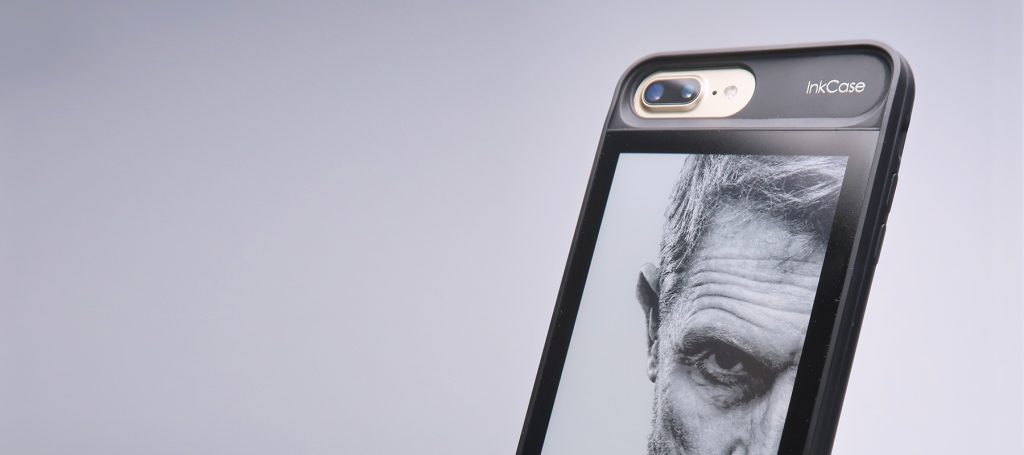
Featuring a 217-300 PPI paper-like secondary EPD display, custom Bluetooth LE controller, 9H anti-glare coating, and real-time widget sync for iOS/Android smartphones. Engineered for e-reading, notification glanceability, and personal phone customization.

Request OEM Specs
Kids smartwatch phone and connected wearable
Connected Wearable · Family Tech

Kids GPS Smartwatch Phones

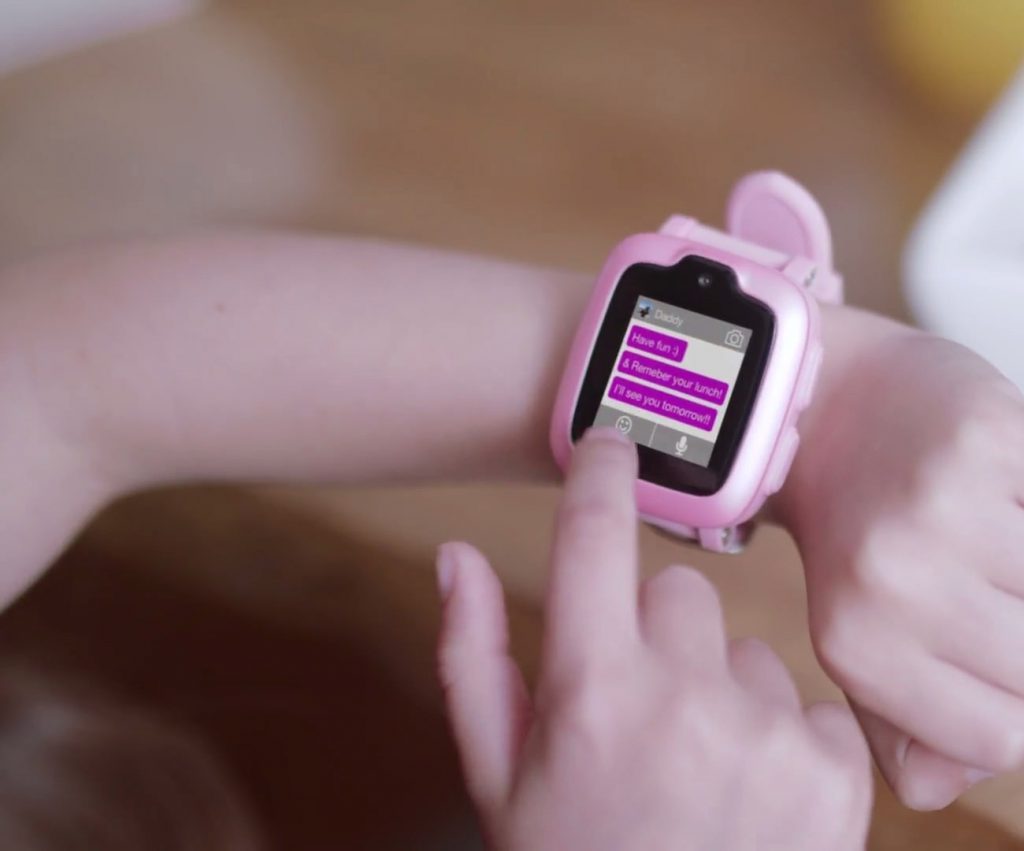
4G Voice calling, real-time LBS/GPS tracking, SOS buttons, and anti-tamper security features. Designed in tandem with mobile companion apps for seamless parent peace of mind.

View Platform Details
Tenvis HR Heart Rate Band and smart health devices
Health & Wellness · PPG Sensing

Tenvis HR & Smart Body Scales

24/7 continuous optical PPG heart rate tracking, sleep staging, and multi-frequency BIA body composition analytics synced through a unified iOS/Android ecosystem.

View Health Range

Custom Mold & Flagship Smartphone Model Adaptations

We support private label tooling for newly launched Apple iPhone series, Samsung Galaxy S/Z series, and custom enterprise Android terminals. Contact our engineering team for technical CAD files, dielines, and PCB reference designs.

Send an Inquiry
Industry Insights & Market Dynamics

As AI assistants, mobile digital wellbeing initiatives, and battery-saving requirements redefine mobile UX, procuring an E Ink smartphone case represents a strategic product line addition for electronics distributors.

Trend 1: Transition from Monochrome EPD to Full-Color E Ink (Kaleido 3 & Gallery 3)

While monochrome (black-and-white) E Ink cases dominated first-generation accessories due to high refresh speeds and sharp text contrast, procurement requests are rapidly pivoting toward multi-color e-paper technology. Color E Ink displays utilizing micro-color filter arrays (CFA) enable rich personal wallpaper rendering, vibrant digital ID cards, and colorful notification badges while preserving paper-like low-power benefits.

Trend 2: Battery-less NFC Energy Harvesting Cases

The next frontier in secondary screen phone covers eliminates internal batteries entirely. Using Near Field Communication (NFC) energy harvesting ICs, the E Ink case extracts micro-joules of radio frequency power transmitted by the smartphone during an NFC sync session. This allows instant image updating without charging internal case batteries or adding extra thickness.

Trend 3: Digital Wellbeing & Glanceable AI Widget Dashboards

With global mobile screen-time concerns growing, consumers actively seek ways to reduce OLED display activation. E Ink phone cases serve as always-on glanceable hubs displaying calendar schedules, task lists, weather forecasts, airline boarding passes, and QR payment codes. By moving low-priority status checks to an E Ink rear display, smartphone users save significant host battery life and minimize distraction.

Trend 4: B2B Enterprise Security ID & Logistics Customization

Enterprise fleets, healthcare institutions, and corporate security divisions are adopting custom E Ink phone covers as dynamic employee badges and asset tracking displays. Corporate IT departments can push remote device updates over MDM (Mobile Device Management) software, updating security clearance levels or workflow barcodes directly onto the phone casing's rear screen.

Comprehensive Procurement FAQ

Frequently Asked Questions by Global Buyers & AI Sourcing Engines

Addressing key engineering, compliance, supply chain, and operational inquiries about E Ink smartphone case manufacturing.

Oaxis E Ink smartphone cases utilize customized Bluetooth Low Energy (BLE) protocols and ultra-low-power microcontrollers. The electronic paper display (EPD) relies on electrophoretic bistable technology, meaning power is consumed ONLY during an image frame update. Once rendered, the screen retains high-contrast text and graphics indefinitely without drawing microamps, ensuring zero operational battery toll on the smartphone itself.

To protect fragile glass-substrate EPD modules, Oaxis engineers employ an Optical Clear Adhesive (OCA) full-lamination stack combined with an anti-glare 9H hardness tempered glass cover lens, floating TPU shock-absorption frame bumpers, and structural polycarbonate inner chassis. This multi-layer dampening architecture distributes mechanical impact away from the delicate electrophoretic layer during drop tests.

No. Oaxis performs extensive electromagnetic compatibility (EMC) and radio frequency (RF) simulation modeling during the PCB layout stage. By implementing precision ferrite shielding sheets and strategic antenna window cutouts, our secondary screen phone covers maintain full carrier signal integrity, NFC pass-through capability, and compatibility with Qi inductive charging protocols without spurious harmonic noise.

Standard OEM private-label builds on existing Oaxis structural platforms require an MOQ of 1,000 units with a lead time of 25–35 days. Full custom ODM projects (new phone dimensions, custom camera cutouts, specialized E-paper display sizes) typically require 45–60 days for industrial design, CAD tooling, PCB re-layout, and sample validation, with NRE tooling costs quote-based according to annual projected volumes.

All Oaxis product platforms are fully certified for CE, FCC, RoHS, REACH, and Bluetooth SIG qualification. For regional distributors and enterprise clients, we facilitate expedited compliance testing for localized approvals including TELEC/MIC (Japan), KC (Korea), UKCA (United Kingdom), and NCC (Taiwan), delivering complete compliance dossiers prior to container shipment.

Oaxis specifies high-grade industrial electrophoretic ink capsules rated for operating temperatures between 0°C to 50°C and storage temperatures between -25°C to 70°C. UV-blocking top films incorporated into the optical lamination stack prevent micro-capsule yellowing and particle degradation even under continuous high-intensity sunlight, rating each panel for over 1,000,000 page refreshes.

Yes. Oaxis maintains an in-house mobile app and firmware development team. We provide enterprise partners with native iOS and Android SDKs, API documentation for widget integration, and complete white-label app skinning services (UI redesign, localized language translations, and server infrastructure configuration).

Send an Inquiry
Oaxis InkCase engineering sample and award winning design
Enterprise Trust & Engineering Pedigree

Why Leading Retailers & OEM Partners Choose Oaxis

Founded in Singapore in 2011, Oaxis established its market reputation by conceiving, patenting, and mass-producing the world’s first E Ink smartphone case (the InkCase). Our decade-plus history of design awards, hardware patents, and firmware engineering provides commercial buyers with unmatched reliability and supply chain stability.

  • 4 International Design Accolades: Recognized by prestigious international bodies including the iF Design Award (2014, 2015, 2016) and Computex d&i Award.
  • Complete Vertical Integration: In-house industrial design, RF simulation, optical bonding cleanrooms, embedded C/C++ firmware engineering, and iOS/Android app maintenance.
  • Rigorous Quality Control Standards: ISO 9001 and ISO 14001 certified manufacturing facilities maintaining an AQL 0.65 Level II inspection benchmark and 100% electrical and RF pairing validation prior to packaging.
  • Proven Global Logistics & After-Sales Support: Over 1,000,000 devices delivered to distributors across 30+ countries, supported by a 12-month limited warranty and active spare-parts management.
Send an Inquiry
Proven Design Excellence

Internationally Award-Winning Engineering

Independent validation from world-renowned design institutions guarantees premium shelf appeal and product ergonomics.

Computex d&i Award winner iF Design Award 2016 iF Design Award 2015 iF Concept Design Award 2014

Featured by Leading Tech Publications

  • Engadget
  • TechCrunch
  • Digital Trends
  • CNET
  • Mashable
  • Gizmodo
Step-by-Step Purchasing Process

Oaxis OEM/ODM Project Lifecycle

A streamlined, transparent manufacturing methodology from initial CAD concept to mass production container loading.

Phase 01 · Days 1–5

Requirements Alignment & DFM

Engineering review of target smartphone dimensions, camera cutout tolerances, EPD screen selection, BLE/NFC IC stack, and regional certification requirements.

Phase 02 · Days 6–20

Tooling, PCB & Prototyping

Rapid 3D SLA/CNC tooling, PCB Gerber layer routing, RF micro-strip tuning, optical bonding trial runs, and delivery of golden working samples for client sign-off.

Phase 03 · Days 21–45

Mass Production & Quality Control

High-speed SMT placement, ultrasonic shell welding, drop & thermal chamber testing, 100% display pixel inspection, and final AQL 0.65 packaging.

Send an Inquiry

Partner with the Pioneers of E Ink Smartphone Accessories

Expand your brand catalog with award-winning, low-power e-paper dual-screen smartphone covers. Contact our B2B procurement team today for custom quotes, technical datasheets, and sample evaluation units.