
Precision-engineered, certified, and fully scalable wearable platforms ready for private-label deployment and custom ODM development.
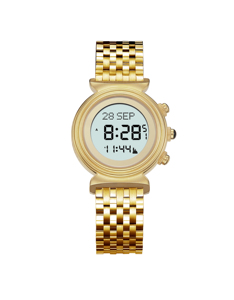
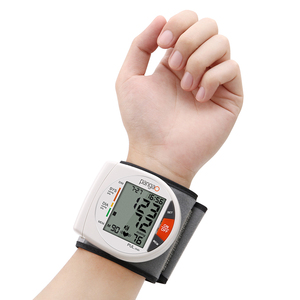
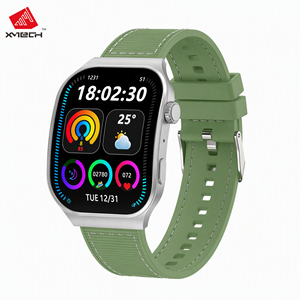
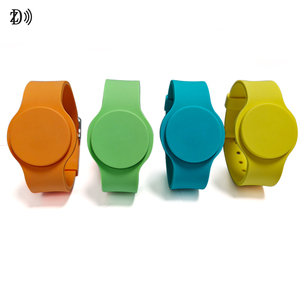
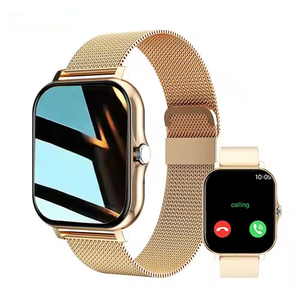
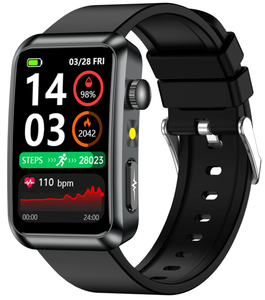
In the highly saturated wearable technology landscape, procurement directors, brand owners, and electronics distributors must look far beyond superficial aesthetic designs. Choosing a premier Bluetooth watch factory requires a rigorous technical audit of their electronic design engineering, firmware stability, micro-controller unit (MCU) efficiency, and regulatory compliance protocols.
As Google's Search Quality Rater Guidelines emphasize
Evaluation of underlying System-on-Chip (SoC) architectures (e.g., Nordic Semiconductor nRF5340, Realtek RTL8763E, or Ambiq Micro ultra-low power processors) to ensure maximum computational throughput with minimal mAh drain per hour.
Validation of photoplethysmography (PPG) sensing arrays. Leading factories utilize dual-green, red, and infrared LED paths with multi-wavelength algorithms to filter out motion artifacts during dynamic exercise tracking.
Ensuring PCB trace antennas or LDS (Laser Direct Structuring) antennas achieve high gain, low standing wave ratio (VSWR), and possess verified Bluetooth SIG Qualified Design IDs (QDID) to eliminate patent and interoperability risks.
Furthermore, structural reliability mandates strict ingress protection testing. Authentic manufacturing plants deploy automated positive/negative pressure differential chambers to guarantee that devices rated IP67, IP68, or 5ATM sustain hydrostatic pressure without seal degradation over prolonged operational windows.
The global wearable device industry is currently transitioning from passive event-logging devices (simple step counting) to proactive, continuous health monitor arrays and ambient computing hubs. B2B buyers seeking long-term commercial success must align their product roadmap with key technological breakthroughs currently emerging from premier R&D labs in Singapore and global tech hubs.
The integration of Bluetooth Low Energy (BLE) 5.4 provides substantial bandwidth improvements, enhanced periodic advertising with responses (PAwR), and Encrypted Advertising Data (EAD). For commercial procurement, this enables Bluetooth watches to operate as secure nodes in enterprise settings—such as hospital patient tracking, warehouse logistics, and secure access-controlled corporate environments—without draining battery reserves within 24 hours.
Modern end-users demand elevated biometric data density. The market is shifting rapidly toward multi-parametric biosensor hubs that combine PPG, Bioelectrical Impedance Analysis (BIA), Electrocardiogram (ECG), and micro-oscillometric pressure cuffs. By running AI-driven neural networks natively on micro-controllers (Edge AI), smartwatches can detect cardiac arrhythmias, sleep apnea patterns, and acute stress markers in real-time, sending localized alerts before synchronizing data to cloud endpoints.
Display technology represents the single largest power consumer in smart watch design. Leading OEMs offer dual-architecture setups: high-brightness (1000+ nits) flexible AMOLED displays for active interaction paired with secondary ultra-low power sunlight-readable E-Paper or memory-in-pixel (MIP) screens for always-on basic telemetry, dramatically extending battery operational lifecycles up to 30 days.
Procuring Bluetooth watches on a global scale involves navigating complex supply chain dynamics, regional regulatory changes, and evolving consumer privacy frameworks. Tier-1 buyers are optimizing their sourcing operations through specific strategic mechanisms:
Buyers no longer accept unbranded, generic mobile applications. Top manufacturers provide complete mobile SDKs (iOS/Android) alongside open APIs, enabling distributors to launch custom-branded apps integrated into native cloud infrastructures within days.
Exporting to the EU, North America, and APAC requires more than basic CE/FCC marks. Modern procurement protocols demand proof of REACH SVHC compliance, RoHS 2.0, TELEC (Japan), KC (Korea), UKCA (UK), and NCC (Taiwan) test documentation upfront.
With stringent regulations such as GDPR in Europe and California's CCPA, Bluetooth watch firmware must incorporate AES-128/256 encrypted payload transfers between watch, smartphone app, and cloud servers to prevent firmware tampering and data interception.
By establishing strategic partnerships with factories that maintain in-house firmware development teams, procurement managers eliminate reliance on volatile third-party software vendors, ensuring long-term patch availability and security maintenance across the device life cycle.
Rooted in Singapore's precision engineering heritage since 2011, our manufacturing infrastructure stands at the intersection of award-winning industrial design and flawless hardware execution. Recognized by prestigious international bodies—including four separate iF Design Awards and the Computex d&i Award—our manufacturing ecosystems have delivered over 1,000,000 high-performance smart devices to retail and enterprise partners across 30+ global markets.
We streamline the journey from initial engineering concept to retail-ready cartoned inventory through a disciplined four-stage manufacturing methodology:
Direct responses to critical operational and technical queries commonly raised by corporate buyers, brand managers, and procurement committees.
Transform your wearable technology roadmap with award-winning design expertise, proven hardware architecture, and rigorous quality control standards. Connect directly with our enterprise product engineering team today.