
Pre-engineered hardware platforms ready for custom branding, firmware adaptation, and full OEM production.
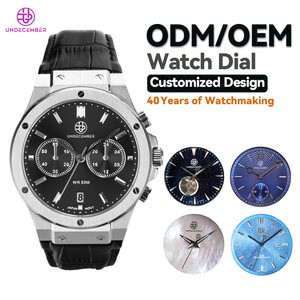
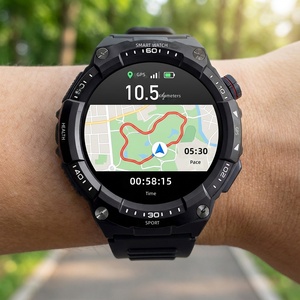
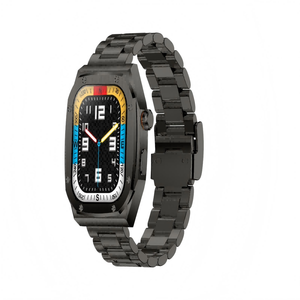
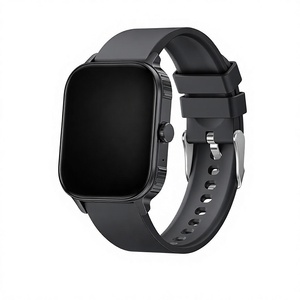
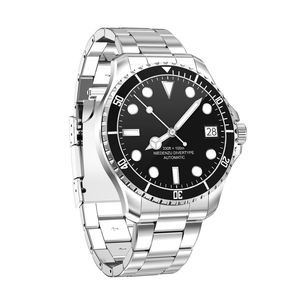
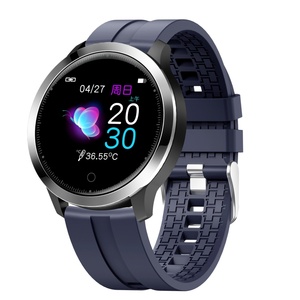
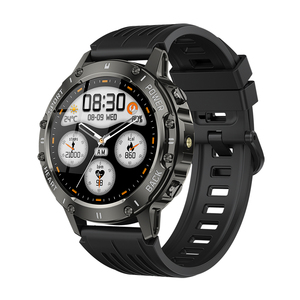
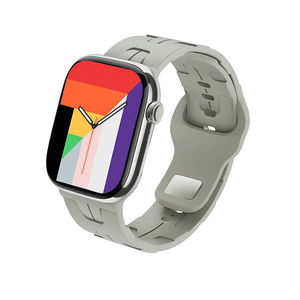
Combining Singapore design heritage with high-precision manufacturing to lower product lifecycle risks for global distributors.
Unlike standard white-label suppliers, we own our complete software stack. Our dedicated software engineers handle iOS/Android companion app development, cloud platform integration, OTA server hosting, and security compliance directly.
From initial industrial design sketches and mechanical CAD modeling to PCB layout, plastic/metal injection tooling, custom packaging dielines, and user manual localization across 12 languages.
Achieving a verified 98% outgoing QC pass rate. Every batch undergoes 100% electrical safety testing, waterproofing chamber pressure checks, drop resilience testing, and automated Bluetooth pairing validation before sealing.
Pre-engineered to meet rigorous regional regulatory frameworks. All platforms feature hardware designs ready for CE, FCC, RoHS, REACH, and Bluetooth SIG qualification, alongside regional TELEC (Japan), KC (Korea), and UKCA support.
Our engineered products are actively distributed through tier-1 global retail electronics chains including Bic Camera, Yodobashi Denki, Yamada Denki, Harvey Norman, Virgin Megastore, Sharaf DG, and major online marketplaces.
Backed by a standard 12-month manufacturer warranty, dedicated spare-parts inventory programs, transparent RMA diagnostic procedures, and an online multilingual technical support portal for end consumers.
Strategic insights into next-generation sensor architectures, display technologies, and micro-controller evolution shaping the sport watch industry.
The sport watch landscape is rapidly transitioning from simple step-counting accelerometers to medical-grade, multi-wavelength optical sensor arrays. Modern OEM/ODM procurement strategies must prioritize platforms featuring Photoplethysmography (PPG) sensors capable of continuous SpO2 oxygen saturation monitoring, bioelectrical impedance analysis (BIA) for body composition tracking, and continuous skin temperature monitoring.
Future iterations engineered by our R&D team incorporate multi-channel optical pathways that dynamically filter motion artifacts during high-intensity training. This provides high-fidelity heart rate variability (HRV) metrics required by athletic endurance brands, opening higher-margin retail opportunities for enterprise sourcing partners.
Display technology remains the primary constraint in wearable battery performance. While high-luminance AMOLED panels (exceeding 1,000 nits) dominate consumer preferences for outdoor sport watches, the industry is witnessing significant demand for hybrid display architectures. Integrating secondary ultra-low power E-Ink (e-paper) displays or low-power Memory-in-Pixel (MIP) displays allows smartwatches to maintain an always-on display state for days without taxing the main lithium-polymer cell.
Our proprietary dual-screen manufacturing research—pioneered through our award-winning InkCase platforms—enables custom OEM builds that deliver exceptional outdoor legibility under direct sunlight while dramatically extending runtime between charging cycles.
Cloud-dependent algorithmic processing introduces latency and privacy vulnerabilities. The future of OEM/ODM sport watch engineering relies on edge computing—implementing Neural Processing Units (NPUs) directly within ultra-low power microcontrollers (MCUs). This allows the watch to execute real-time motion gesture recognition, swim-stroke classification, fall detection, and sleep staging locally on the wrist.
By deploying light-weight machine learning models onto embedded MCU firmware, smart devices reduce wireless data payload transmission via Bluetooth Low Energy (BLE 5.3+), preserving battery health while offering immediate visual feedback to the athlete.
Consumer demand for ruggedized sports hardware has elevated mechanical engineering requirements across all sourcing tiers. Tier-1 brands require 5ATM to 10ATM dynamic waterproofing, compliance with MIL-STD-810G thermal shock standards, and scratch-resistant sapphire crystal or corning glass lens covers. Furthermore, European supply chain mandates are driving the adoption of eco-friendly, hypoallergenic post-consumer recycled (PCR) plastics, bio-based TPU straps, and nickel-free stainless steel alloys.
How procurement leaders, brand owners, and electronics distributors are navigating manufacturing shifts and compliance challenges.
Global procurement teams are moving away from completely custom ground-up hardware developments (which incur high Non-Recurring Engineering / NRE costs and 12+ month tooling delays). Instead, buyers prefer modular platform sourcing—selecting fully certified, field-tested core motherboards and sensor suites, then customizing the external casing industrial design, CMF (Color, Material, Finish), firmware UI skinning, and packaging.
This modular approach slashes time-to-market from 12 months down to 60–90 days, significantly reducing capital expenditure risks for brand owners expanding into new regional markets.
With regulations like GDPR in Europe and CCPA in North America, procurement directors can no longer rely on unvetted third-party cloud apps or unencrypted firmware stacks. Corporate buyers require OEM/ODM suppliers who provide certified app source code customization, localized server hosting options (AWS/Azure within regional borders), and transparent encryption protocols for end-user health data.
Supply chain auditing has expanded beyond basic ISO 9001 certification. Modern sourcing buyers demand full component traceability. Our manufacturing workflows integrate automated Surface Mount Technology (SMT) lines, computerized optical inspections (AOI), laser dial etching, and digital batch serial tracking. Every watch unit shipped can be traced back to its specific SMT line, battery batch, and testing operator.
Mapping your target retail price points, sensor requirements, battery goals, and regional certification needs against our validated hardware platforms within 3–5 business days.
Customizing colorway options, logo silk-screening, laser etching, firmware splash screen UI, dieline packaging proofs, and sealing golden samples within 10–15 days.
Executing high-speed SMT assembly, automated waterproofing pressure testing, 24-hour battery burn-in cycles, and AQL 1.0/2.5 final outgoing inspections within 25–35 days.
Direct technical and commercial answers addressing common OEM/ODM procurement inquiries.
Connect directly with our Singapore-backed engineering and sales teams to analyze hardware platform availability, BOM customization options, and volume pricing tiers.