High-precision OEM/ODM platforms compliant with CE, FCC, RoHS, and REACH global export standards.
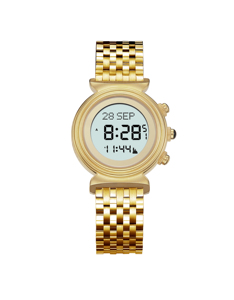
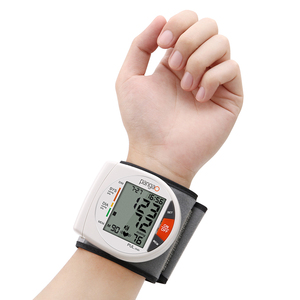
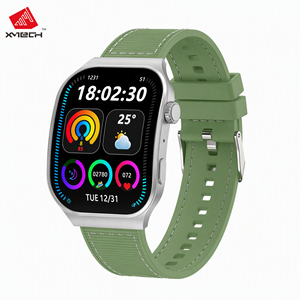
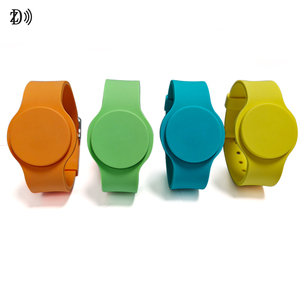
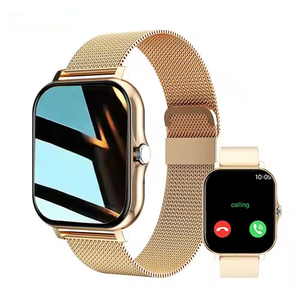
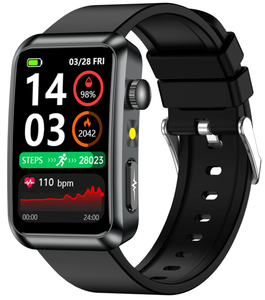
The global smartphone and personal technology accessory sector has undergone a fundamental paradigm shift. Standard protective enclosures—historically fabricated purely from injection-molded Polycarbonate (PC) or Thermoplastic Polyurethane (TPU)—have transitioned into functional dynamic interfaces. Modern enterprise procurement teams, B2B importers, and private-label brand managers now demand screen cases, dual-screen enclosures, integrated low-power displays, and secondary notification surfaces that deliver tangible user value without compromising structural drop protection.
China stands at the absolute apex of this technological revolution. Combining advanced precision tooling, specialized double-shot liquid silicone molding, micro-electronics SMT assembly, and low-power display driver integration within single industrial ecosystems (notably the Greater Bay Area), Chinese manufacturing partners offer unmatched operational velocity and scalability. As a pioneer in electrophoretic display (EPD) integrations—demonstrated by market breakthroughs like the patented InkCase E-Ink secondary screen series—our manufacturing operations establish the industry benchmark for OEM/ODM excellence.
Information Gain Key Insight: Advanced screen cases require multi-disciplinary engineering—synchronizing optical bonding tolerances (<0.05mm), low-power Bluetooth Low Energy (BLE) firmware protocol stacks, ultra-thin lithium polymer battery management, and drop-impact force attenuation.
When evaluating top-tier screen case manufacturers in China, procurement executives must look beyond rudimentary unit cost. Essential evaluation criteria encompass RF attenuation compliance (ensuring secondary display circuitry does not degrade 5G mmWave or Wi-Fi 6E signals), thermal dissipation pathways, ingress protection (IP67/IP68 engineering), and full-stack software longevity across mobile operating systems (iOS and Android).
Integrating a secondary display surface or dynamic screen interface into a handheld protective enclosure requires meticulous hardware architecture. Below is an engineering comparison matrix detailing the primary display module technologies and structural material stacks utilized in tier-1 Chinese export production lines.
| Technology / Material Stack | Display Refresh Rate | Power Consumption Profile | Structural Impact Resistance | Primary Industrial Application |
|---|---|---|---|---|
| Electrophoretic (E-Ink / E-Paper) | Bi-stable (Zero static draw) | Near-Zero (~0.01mW static) | MIL-STD-810G Compliant with shock-frame | Always-On E-Readers, QR Widgets, Art Enclosures |
| Micro OLED Secondary Screen | 60 Hz – 90 Hz dynamic | Active Draw (~150mW - 300mW) | Sub-surface glass with 9H optical coating | Real-time Notifications, Vlogging & Camera Preview |
| Transflective LCD Module | 30 Hz – 60 Hz adjustable | Moderate (~80mW - 120mW) | Integrated polycarbonate lens frame | Outdoor Sports, Smartband Case Combinations |
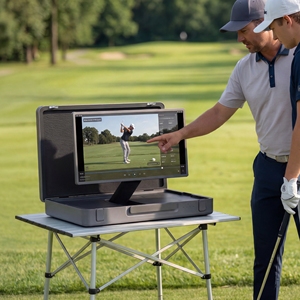
| Suitcase/Portable FHD Display (e.g. 27") | 60 Hz Full HD touch | High (Internal Li-Ion battery driven) | Reinforced ABS+PC Hardshell Enclosure | Mobile Business, Golf Analytics, Event Signage |
Multi-layer shock-absorption architectures combining elastomeric TPU bumpers with rigid poly-carbon backplates, tested to withstand 26 drop cycles from 1.2 meters without display delamination.
Proprietary MCU firmware driving bi-stable state updates via Bluetooth Low Energy, allowing continuous screen updates while consuming minimal host device or auxiliary battery power.
Vacuum-sealed optical lamination eliminating air gaps between the protective outer lens and display panel, offering anti-glare readability under direct sunlight and high structural rigidity.
As consumer habits evolve toward reduced screen-time anxiety, seamless notification filtering, and personal aesthetic expression, product development roadmaps for smart screen cases are rapidly innovating. Procurement teams seeking a competitive edge in global distribution channels should align product portfolios with four critical technological macro-trends:
Monochrome electrophoretic displays are fast giving way to Advanced Color ePaper (ACeP) panels capable of displaying full color gamut spectrums without backlighting. Future screen cases will feature dynamic color photo rendering, real-time widget updates (weather, boarding passes, cryptocoin trackers, fitness statistics), and zero-power static display maintenance. This technological progression yields enormous information gain for end-users seeking personal expression with zero battery penalty.
Screen cases are no longer passive display vessels; they are becoming active data hubs. Advanced OEM projects are integrating PPG optical sensors for continuous heart rate and SpO2 tracking directly into the case chassis, NFC tag emulation for instant physical access control, and environmental micro-sensors (UV index measurement, ambient temperature, humidity). By routing telemetry data to secondary display windows, users receive instant feedback without unlocking their primary mobile OS.
Global regulatory bodies, including the European Union under expanded EPR (Extended Producer Responsibility) and Eco-design directives, require strict material traceability. Leading export manufacturers in China are replacing virgin petro-plastics with Post-Consumer Recycled Polycarbonate (PCR-PC), Ocean-Bound Plastics (OBP), and bio-based thermoplastic rubbers. Precision double-injection molding allows green materials to achieve identical structural rigidity and tactile texture without sacrificing drop-protection ratings.
Hardware excellence must be mirrored by intelligent software stacks. Next-generation screen case platforms leverage lightweight on-device AI algorithms within their companion mobile apps. These algorithms automatically crop, contrast-adjust, and dithering-optimize user photos, documents, and widgets for low-bitrate secondary screens, ensuring pixel-perfect rendering regardless of ambient light conditions.
Navigating the global electronics supply chain demands a proactive strategy. Procurement managers, brand licensing executives, and retail chain buyers must structure their China sourcing models around several emerging commercial realities:
Rather than funding non-recurring engineering (NRE) costs from scratch ($50k–$150k), buyers prefer leveraging validated white-label core platforms, customizing only exterior tooling textures, colorways, and app skinning to reduce time-to-market by up to 60%.
Supply chain integrity requires pre-certified base hardware platforms. Enterprise buyers prioritize manufacturers with ready CE, FCC, RoHS, REACH, Bluetooth SIG, and WEEE compliance dossiers to ensure rapid clearance through European and North American customs authorities.
To optimize cash flow and manage inventory risks, importers increasingly contract with factories that accommodate initial trial runs (500–1,000 units) backed by rapid 25–35 day scaling capacity for high-volume replenishment orders.
Since our establishment in 2011, Oaxis has pioneered the design, engineering, and mass production of consumer electronics, kids-tech wearables, connected health smart devices, and revolutionary E Ink dual-screen smartphone cases. Our dual operational footprint—combining Singapore industrial design aesthetics and strategic product planning with Shenzhen’s world-class precision manufacturing ecosystem—delivers unmatched advantages to our overseas business partners.
Our commitment to user-centric engineering has been repeatedly recognized by international design juries, earning four prestigious accolades including the iF Design Award (2015, 2016), iF Concept Design Award (2014), and the Computex d&i Award. When sourcing screen cases or smart wearables from our facility, partners gain access to award-winning ergonomics, premium tactile feel, and proven consumer appeal.
Hardware is only as robust as the code that powers it. Unlike standard contract assemblers who outsource software to unverified third parties, Oaxis maintains an in-house engineering team dedicated to firmware maintenance, iOS/Android companion app compatibility updates, and SDK/API integrations. This guarantees that your private-label screen cases remain operational across future mobile OS updates (e.g. iOS 18+, Android 15+), eliminating app breakage risks for distributors.
Quality assurance is embedded into every link of our production chain. From incoming raw material verification (IQC) to surface-mount technology inline automated optical inspection (AOI), battery burn-in testing, drop testing, and final pre-shipment AQL 0.4/1.0 inspection, we enforce rigorous protocols:
Below are authoritative responses to critical inquiries raised by global procurement officers, supply chain managers, and distribution partners during vendor evaluation.
For standard white-label SKU customization (custom logo print, localized packaging artwork, user manual translation), our minimum order quantity starts at 500 to 1,000 units per model. For full custom ODM projects involving unique housing dimensions, bespoke plastic injection tooling, or customized PCBA layouts, standard tooling MOQs start at 3,000 units, with options for phased delivery schedules.
We enforce strict IP protection policies. Prior to sharing technical drawings, gerber files, or product specifications, we execute legally binding Non-Disclosure Agreements (NDAs). Custom ODM tooling molds remain the exclusive property of the client and are stored in secured mold repositories with strict production authorization controls.
Our standard platforms are engineered from the ground up for global compliance, carrying CE, FCC, RoHS, REACH, and Bluetooth SIG qualifications. For market-specific requirements, such as TELEC/VCCI (Japan), KC (South Korea), UKCA (United Kingdom), or NCC (Taiwan), our regulatory engineering team prepares complete technical construction files (TCF) and manages testing with accredited laboratories (SGS / TUV / Intertek).
Repeat orders of established SKUs typically ship within 25 to 35 calendar days following receipt of deposit and purchase order. Initial OEM production runs involving custom color matching (Pantone matching), custom packaging proofing, or brand logo silkscreening require an additional 10 to 15 days for pre-production golden sample sign-off.
Yes. Our in-house software division provides complete app skinning, custom UI styling, brand logo integration, and white-label App Store / Google Play publishing services. We also offer API/SDK access for enterprise clients who wish to integrate screen case displays directly into their own existing mobile software ecosystems.
We provide a comprehensive 12-month manufacturer limited warranty across all exported hardware. A designated percentage of buffer units or spare components (based on agreed AQL thresholds) is included with bulk shipments to facilitate immediate local replacement for end-users, supported by a structured RMA escalation process through our technical desk.
Partner with China’s premier screen case manufacturer and award-winning smart wearable engineering team. Request technical datasheets, request golden samples, or schedule an engineering consultation today.
Contact Us