
🏆 iF Design & Computex award-winning engineering•Retail & OEM partners in 30+ markets
0%

Global travel is creating a larger need for practical baggage-control tools. The International Air Transport Association forecast 4.96 billion air passengers in 2024 and expected about 5.2 billion in 2025. More travelers mean more moments at airport check-in counters, where a small weight difference can affect packing decisions.

Baggage handling also remains a measurable concern. SITA’s 2024 Baggage IT Insights report recorded 6.9 mishandled bags per 1,000 passengers in 2023. A Digital luggage scale cannot prevent every baggage problem, but it can give travelers and retailers a clearer weight check before departure. That simple function matters beside a bedroom suitcase, a hotel desk, or a supplier’s product sample.

China has become an important sourcing base for compact consumer electronics and travel accessories. However, supplier selection requires more than comparing factory prices. Global buyers should examine sensor accuracy, repeatability, maximum capacity, unit conversion, tare operation, battery life, display readability, and drop resistance. Test reports, quality-control records, production experience, and export references deserve equal attention.

Specifications can look better than daily performance.

This is where procurement research becomes practical. Independent samples should be tested under different loads, including soft luggage and uneven handles. Buyers should also verify packaging, private-label capability, inspection procedures, warranty terms, and communication speed. Claims about compliance or certification should be checked against current documentation, not accepted from a product page alone.

This guide reviews China’s leading digital luggage scale suppliers through those purchasing factors. The available aviation reports describe passenger and baggage trends, not the entire scale market. That limitation matters. Reliable conclusions require supplier evidence, product testing, and careful comparison rather than optimistic rankings.
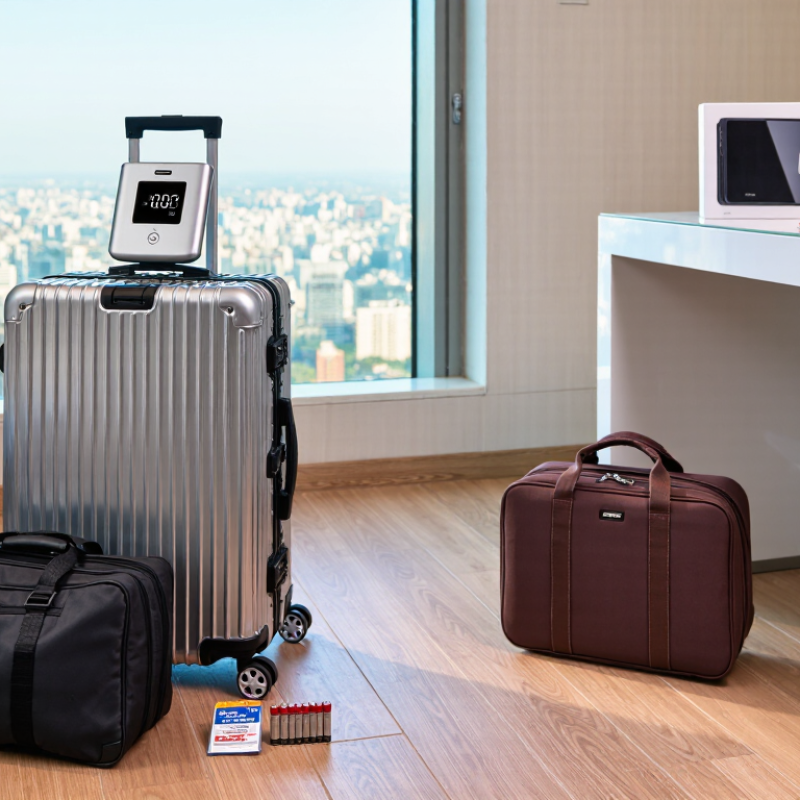
China Top Digital Luggage Scale Suppliers for Global Buyers?

What Is a Digital Luggage Scale and How Does It Work?

A digital luggage scale measures suitcase weight through a small load cell. Inside, strain gauges change electrical resistance when pressure bends the sensor. A circuit converts that change into a weight reading. The screen then displays kilograms, pounds, or another selected unit.

The process feels simple. It is not magic. When you lift a suitcase by the scale’s strap, the sensor carries the full load. The processor compares its signal with stored calibration values. A stable reading appears after several seconds. Most models include tare functions, automatic shutoff, and low-battery warnings. However, uneven lifting can create errors. A swinging suitcase may show a different number each time.

SITA’s 2024 Baggage IT Insights report recorded 6.9 mishandled bags per 1,000 passengers in 2023. Accurate weighing supports smoother airport handling, although it cannot prevent every baggage problem.

The measurement still depends on calibration, battery condition, and user technique.

Tips:

Place the scale on a flat surface before zeroing it. Lift the luggage slowly. Keep the bag still. Check the reading twice. A two-hundred-gram difference matters near an airline limit. Compare the displayed unit carefully; kilograms and pounds are easy to confuse. In practical testing, suppliers should examine sensor consistency, hook strength, screen visibility, and performance under repeated loads. A cheaper scale may work well, but unverified accuracy deserves caution.

Key Features of High-Quality Digital Luggage Scales

China Top Digital Luggage Scale Suppliers for Global Buyers?

Key Features of High-Quality Digital Luggage Scales

A reliable digital luggage scale should combine accurate sensors, a clear display, and a secure lifting strap. The SITA Baggage IT Insights 2024 report recorded 6.9 mishandled bags per 1,000 passengers in 2023. A scale cannot prevent mishandling, but it can reduce rushed repacking at the airport. Buyers should request accuracy testing across several weight points, not only at maximum capacity.

Accuracy matters most.

A strong model should support at least 50 kilograms, use a stable metal hook, and show readings in kilograms and pounds. The display needs large digits, backlighting, and automatic locking after weighing. An overload warning protects the sensor. A tare function also helps when travelers use bags with uneven handles. Battery life deserves attention. A low-power design and common replaceable batteries are more practical than a sealed battery.

Durability is often underestimated. Suppliers should provide drop-test records, corrosion checks, and repeated-load testing. A compact body is useful, but very thin plastic may crack near the strap joint. Buyers should inspect that area carefully. Independent calibration evidence adds credibility, although no handheld scale stays perfect forever. Humidity, temperature, and rough handling can affect performance. That limitation should be stated clearly, not hidden behind attractive packaging. The best purchasing decisions compare test data, warranty terms, sampling results, and factory quality controls rather than relying on appearance alone.

Key Features of High-Quality Digital Luggage Scales

Common rated capacities for compact digital luggage scales range from approximately 18 kg to 50 kg. The chart shows practical capacity levels frequently used in global travel and luggage-weighing products. A high-quality scale should also provide stable readings, a clear LCD display, tare functionality, automatic shut-off, and a durable weighing strap or hook.

Major Types of Chinese Digital Luggage Scale Suppliers

Chinese digital luggage scale suppliers generally fall into three practical groups: manufacturer-direct factories, OEM/ODM producers, and trading companies. Factory-direct suppliers usually offer better control over components, assembly, and inspection. Buyers can discuss load-cell accuracy, LCD brightness, battery compartments, and packaging directly with engineers. Many support custom colors, logos, and retail boxes. However, minimum order quantities may be higher than expected.

OEM/ODM suppliers are suitable for importers seeking a differentiated product. They can adjust the handle shape, weighing capacity, button layout, or measurement units. A reliable supplier should provide samples before mass production. Test each sample with calibrated weights, not only a suitcase. Small errors matter. A scale reading 300 grams too high can create customer complaints at an airport.

Trading companies form another major category. They may combine products from several factories and offer lower order quantities. This can help smaller distributors test demand. Yet, technical information may pass through several people. Ask for the actual production location, material details, inspection records, and warranty procedure. Some product descriptions sound precise but remain vague.

Experienced buyers should compare battery life, overload protection, hook strength, and packaging durability. Request recent quality reports and confirm applicable market requirements before ordering. Communication can still fail, especially when “accuracy” means different things to each side. A written specification reduces that risk. No supplier is perfect; even a strong sample deserves another inspection before shipment.

How Global Buyers Can Evaluate Chinese Suppliers

China Top Digital Luggage Scale Suppliers for Global Buyers?

Global buyers should evaluate Chinese digital luggage scale suppliers beyond attractive catalog photos. Begin with factory evidence, not promises. Request a current business license, production address, and quality management records. A live video tour can reveal assembly lines, testing stations, and warehouse conditions. Ask who actually manufactures the product.

Order samples from different production batches. Check weight accuracy with certified reference weights. Test the display in dim light, inspect button response, and measure battery performance. Record results in a simple comparison sheet. Small details matter. A loose battery cover may signal weak assembly control.

Ask for inspection procedures, defect limits, and calibration records. Reliable suppliers should explain how they handle failed units. Confirm material specifications, packaging strength, lead times, and replacement policies in writing. Do not rely only on a sales representative’s confidence. Speak with quality staff when possible. A factory may offer a low price but lack stable component sourcing. That risk deserves attention.

A trial order is safer than an immediate large purchase. Monitor delivery accuracy, carton labeling, and product consistency. Communication speed also matters, especially when specifications change. My practical lesson is simple: a polished sample proves little by itself. Repeated performance matters more. Leave room for doubt, and verify claims before scaling.

Ordering, Compliance, and Shipping Considerations for Importers

China Top Digital Luggage Scale Suppliers for Global Buyers

Importers should evaluate digital luggage scale suppliers through samples, production records, and communication quality. Request a working sample before discussing large volumes. Test its screen, buttons, strap, weighing accuracy, and automatic shutoff. A practical trial may include 30–50 units, allowing checks across different cartons. Ask for capacity options, measurement units, battery type, packaging dimensions, and spare-part availability. A low quotation can hide weak calibration or inconsistent assembly.

Compliance must match the destination market. Request recent test reports, material information, labeling details, and a supplier declaration covering the exact model. Check whether the battery requires special transport documents or packaging. Confirm the correct customs classification with a qualified broker, because small product differences can affect import procedures. Shipping quotes should state Incoterms, carton quantity, gross weight, insurance, port charges, and estimated transit time. Do not rely on a single freight estimate. It may exclude destination fees.

Tips

Keep a written specification sheet, including tolerance limits and logo placement. Approve a golden sample before mass production. Photograph carton labels before dispatch. Use pre-shipment inspection when the order value justifies it. A spreadsheet helps, but it can still miss a loose battery cover or unreadable warning label. Review the process after every shipment; even experienced importers overlook small details.

FAQS

What features define a high-quality digital luggage scale?

Look for accurate sensors, a clear backlit display, and a secure lifting strap. A 50-kilogram capacity is practical. Overload warnings, automatic locking, and tare functions add useful protection.

How should buyers test weighing accuracy?

Test the scale at several weight points, not only near maximum capacity. Use calibrated weights instead of relying on a suitcase alone. Small errors matter. A 300-gram difference can cause airport complaints.

Which display and measurement features are useful?

Large digits improve readability in crowded airport lighting. Kilograms and pounds support different customer markets. Automatic locking helps users record the weight without rushing.

What battery details should importers check?

Ask about battery type, expected life, and replacement access. Common replaceable batteries are often more practical than sealed batteries. Check the battery cover carefully.

How can buyers evaluate product durability?

Request drop-test records, corrosion checks, and repeated-load testing. Inspect the strap joint closely. Thin plastic may crack there. A compact body is helpful, but appearance can mislead.

What supplier information should buyers request before ordering?

Request samples, inspection records, material details, and warranty procedures. Ask for the real production location. Technical details should come from written documents, not vague descriptions.

How should a customized scale be approved before mass production?

Approve a working sample before confirming large production quantities. Test the handle, buttons, screen, strap, units, and automatic shutoff. A golden sample reduces misunderstandings, though it cannot remove every risk.

What should a trial order include?

A trial order of 30–50 units can reveal carton-to-carton differences. Check several samples from different cartons. Record battery covers, warning labels, packaging, and weighing results.

Which shipping details should importers confirm?

Confirm trade terms, carton quantity, gross weight, insurance, and transit time. Ask whether destination fees are included. One freight estimate is not enough.

What compliance documents may be needed?

Request recent test reports, material information, labeling details, and a model-specific declaration. Check battery transport requirements for the destination market. A qualified customs broker should confirm the product classification.

Conclusion

A Digital luggage scale is a compact weighing device designed to help travelers check baggage weight before arriving at the airport. It typically uses a built-in sensor, a strap or hook, and a digital display to provide a quick and readable measurement. High-quality models should offer reliable accuracy, a strong and comfortable grip, a clear screen, stable battery performance, unit conversion, and practical features such as tare functions, overload warnings, and automatic shutoff.

Chinese suppliers generally include specialized manufacturers, electronics factories, travel-accessory producers, and trading companies with integrated sourcing networks. Global buyers should compare product quality, manufacturing capacity, customization options, testing procedures, communication efficiency, and after-sales support. Before placing an order, importers should confirm specifications, packaging, labeling, product documentation, inspection requirements, payment terms, minimum order quantities, and shipping arrangements. Careful supplier evaluation and clear contract terms can help reduce quality risks, control total costs, and ensure smooth international delivery.

Amelia

Amelia

Amelia is a highly experienced marketing professional dedicated to helping customers better understand innovative products, practical solutions, and emerging industry trends. With a strong understanding of the company’s product portfolio, she combines market insight, clear communication, and......