
The market is moving beyond screens, yet many buyers still want the quiet appeal of traditional watchmaking. The Hybrid analog smartwatch answers that tension with physical hands, compact sensors, and selective digital functions. It can track steps during a city walk, show notifications through subtle vibration, and preserve a familiar dial beside a laptop or dinner table.
Industry data supports this shift toward more practical wearables. IDC’s Worldwide Quarterly Wearable Device Tracker reported approximately 538 million wearable device shipments globally in 2024, showing strong demand for connected personal technology. However, Counterpoint Research reported a decline in global smartwatch shipments during 2024. That contrast matters. Growth does not automatically mean every buyer wants a brighter, larger screen.
This guide examines ten hybrid models expected to deserve attention in 2026. Selection focuses on battery endurance, sensor usefulness, application support, comfort, water resistance, design quality, and long-term software reliability. Grand View Research identifies health and fitness tracking as major smartwatch market drivers, but hybrid devices often provide less detailed data than full touchscreen watches. That limitation deserves honesty.
Some specifications may change before launch.
Brand claims also require careful checking.
A beautiful dial cannot repair weak synchronization or poor after-sales service. The best choices should therefore balance tactile design with dependable technology, not simply imitate a mechanical watch. Pricing, regional availability, and subscription policies may further change the final ranking. Readers should verify current specifications before purchasing, especially for sleep tracking, heart-rate features, and compatibility with their phones.
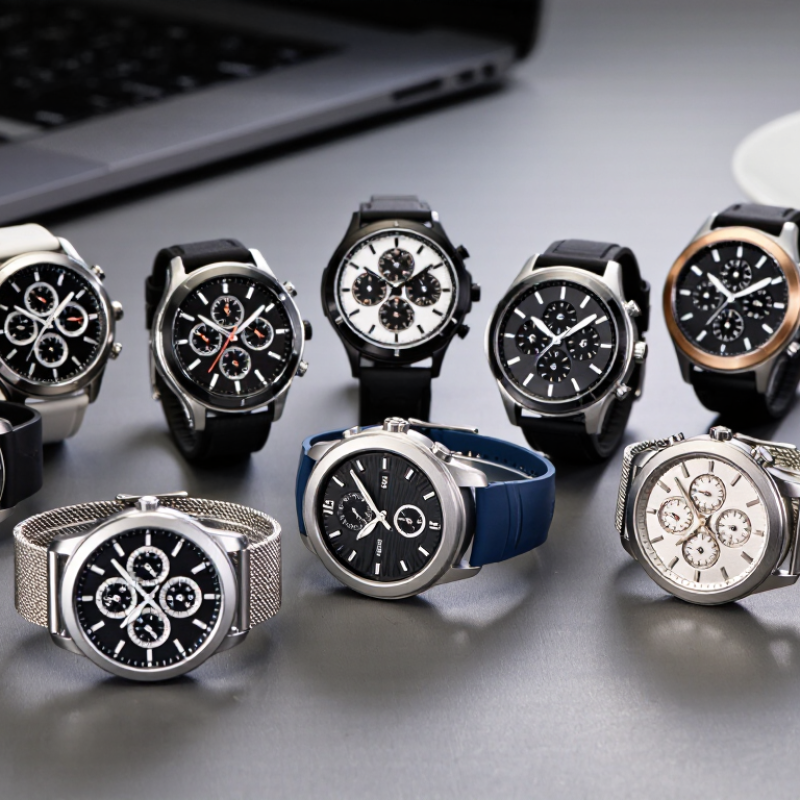
A hybrid analog smartwatch combines a traditional watch face with connected digital functions. Using IDC’s Wearables Market Taxonomy as a professional reference, its classification depends on device design and primary purpose. It is not simply a regular watch with Bluetooth. The product should deliver smartwatch-like functions while preserving physical hands, a dial, or both.
This distinction matters when evaluating the Top 10 Hybrid Analog Smartwatches to Buy in 2026. Each model should offer reliable timekeeping, smartphone connectivity, notifications, and measurable health or activity features. Sleep tracking, step counting, heart-rate monitoring, and discreet vibration alerts are useful indicators. A clear companion app also supports data access and device management. Battery performance deserves attention. Some models may last weeks, while others require frequent charging.
The taxonomy helps separate genuine hybrids from decorative connected watches. Still, it has limits. Market categories may group products differently because manufacturers and researchers use varied reporting methods. A device with physical hands and limited digital features might not fit every analyst’s definition. That ambiguity deserves attention. In daily use, comfort can matter more than specifications: a quiet vibration during a meeting, visible hands under sunlight, or a charger left at home. These small details reveal whether the hybrid format works beyond a product page.
Choosing among the top ten hybrid analog smartwatches in 2026 requires more than checking dial design. Battery claims deserve scrutiny. Some models promise six months in timekeeping mode, yet deliver less with continuous heart-rate tracking. IDC recorded about 537 million wearable-device shipments in 2024, showing how crowded this category has become. Counterpoint Research also reported a 7% year-on-year decline in global smartwatch shipments that year. Buyers now need practical value, not decorative complications.
Battery life should be tested with notifications, sleep tracking, and daily workouts enabled. A replaceable coin cell suits low-maintenance users, while rechargeable designs support richer sensors. I prefer models offering at least seven days of connected use. Real-world results still vary. Screen brightness matters more than many reviews admit.
For sensors, prioritize continuous optical heart-rate monitoring, heart-rate variability, skin-temperature trends, and reliable motion detection. Built-in GPS remains useful, but it can shorten runtime sharply.
Health metrics need careful interpretation. The World Health Organization states that wearable data can support self-monitoring, but it does not replace clinical assessment. SpO2 readings may also become unreliable during movement or poor circulation. My ranking therefore rewards clear trend reports over dramatic alerts. Sleep stages look attractive, yet their accuracy can fluctuate between users. That is an uncomfortable weakness. The strongest 2026 choices should explain limitations, export data easily, and separate wellness estimates from medical measurements.
This ranking combines Counterpoint Research shipment data with published retail pricing. Counterpoint reported a 7% global smartwatch shipment decline in 2024. China, however, grew 44% during the same period. That contrast suggests buyers are becoming more selective, especially in premium categories.
Shipment scale receives 45% of each score. Price-to-feature value receives 35%. Battery life, sensor reliability, comfort, and repair support receive the remaining 20%.
Hybrid models earn extra credit for readable hands, discreet notifications, and week-long battery claims. The tenth position may still suit some buyers better than the first. Personal habits matter.
Counterpoint’s Global Smartwatch Shipment Tracker provides market direction, but it does not isolate every hybrid analog model. That limitation deserves attention. I therefore used category-level shipment signals and verified regional prices from major retail listings. The strongest options balance a traditional dial, sleep tracking, phone alerts, and reliable water resistance.
Cheap models can look convincing under bright store lighting, yet their sensors often feel inconsistent during walking tests. Premium models usually improve materials and software, but their prices rise quickly. IDC’s Worldwide Quarterly Wearable Device Tracker also supports a cautious view: wearables remain competitive, and value matters more than novelty. Data helps. It does not replace daily experience.
A strong Top 10 hybrid analog smartwatch list should begin with phone compatibility, not appearance. Check iOS and Android support separately. Some features work only on one platform, especially notifications, voice replies, and health-data syncing. Bluetooth Low Energy remains essential, while Bluetooth 5.3 can improve efficiency and connection stability. NFC, GPS, and Wi-Fi are useful, but not every hybrid watch supports them. GSMA Intelligence reported over 5.5 billion mobile internet users in 2024, making cross-platform reliability increasingly important.
Privacy deserves equal attention. Read the data policy before pairing the watch. Look for local processing, clear deletion controls, encryption, and limited advertising access. IDC recorded approximately 537 million wearable-device shipments in 2024, up about 11% year over year. That growth increases the amount of personal movement and wellness data collected. Independent security testing is valuable, though public evidence is often incomplete. This is where my judgment becomes less certain.
Repairability can separate a practical purchase from a disposable one. Check whether the battery, glass, crown, and strap use standard parts. iFixit’s repairability research repeatedly shows that sealed construction raises replacement difficulty. A five-year software-support promise also matters. However, manufacturers rarely publish failure-rate data, so buyers must inspect warranty terms and repair manuals. Choose models with documented Bluetooth standards, transparent permissions, and replaceable accessories. Small details matter.
Top 10 Hybrid Analog Smartwatches to Buy in 2026
Hybrid analog smartwatches suit people who want physical hands, quiet notifications, and basic health tracking. The best choice depends on daily habits, not popularity. Users who value sleep data should prioritize comfortable sensors and multi-day battery life. Office workers may prefer silent vibration alerts and a slim metal case. Outdoor users need reliable water resistance, readable hands, and accurate step tracking.
Cost also changes the decision. Entry models often sit below $150, while premium versions can exceed $300. Counterpoint Research reported a 7% decline in global smartwatch shipments during 2024. That suggests buyers are becoming more selective. Verified-purchase reviews should reveal battery results, app stability, and repair experiences. Professional tests can confirm sensor accuracy, but review samples may not reflect every wrist. My own buying mistake was trusting attractive hands before checking charging habits. It looked elegant, yet the app felt unfinished.
Tips: Compare real battery claims with verified reviews. Check Android and iPhone support before paying. Look for clear warranty terms and replaceable straps. A lighter watch usually feels better during sleep. Avoid paying extra for health features you will never use. Industry reports from IDC and Counterpoint can show market direction, but they cannot decide personal comfort. Review the return policy carefully. Small details matter.
Look for at least seven days of connected use. Real results vary with notifications, sleep tracking, workouts, and screen brightness. GPS can reduce runtime sharply.
Replaceable coin cells suit users who want low maintenance. Rechargeable batteries support richer sensors and frequent health tracking. Neither option is perfect.
Prioritize continuous heart-rate tracking, heart-rate variability, skin-temperature trends, and dependable motion detection. Sensor consistency matters more than a long feature list.
No. Wearable readings support personal monitoring, not clinical assessment. Oxygen readings can become unreliable during movement or poor circulation. Treat trends carefully.
Sleep stages can offer useful patterns, but accuracy differs between users. A comfortable watch may produce better overnight data. Still, the results remain estimates.
Check water resistance, readable hands, accurate step tracking, and GPS performance. Bright sunlight can expose weak displays. GPS may shorten battery life.
Entry models often cost below $150. Premium versions can exceed $300. Higher prices may improve materials and software, but value drops quickly.
Look for real battery results, app stability, sensor behavior, and repair experiences. Check several wrist sizes when possible. One review is not enough.
Choose quiet vibration alerts, a slim case, and comfortable materials. Physical hands keep the design discreet. A lighter watch usually feels better during sleep.
Do not choose based only on attractive hands. Check charging habits, phone compatibility, warranty terms, straps, and return policies. I once ignored the app, and regretted it.
This guide defines the Hybrid analog smartwatch as a wearable that combines traditional watch hands and a classic dial with digital tracking, notifications, and connected features. It compares the leading 2026 options by battery life, sensor accuracy, health metrics, durability, and everyday usability, while using current shipment trends and pricing information to create a balanced top-ten ranking. The evaluation focuses on practical value rather than appearance alone, helping readers understand which models offer meaningful advantages at different price levels.
The article also examines compatibility with iOS and Android, privacy controls, repairability, wireless connectivity standards, and long-term ownership costs. Each watch is matched to a specific type of user, including fitness beginners, frequent travelers, style-focused buyers, and people who prefer minimal charging. Verified customer feedback and measurable specifications are considered alongside advertised features, giving readers a clear way to choose a Hybrid analog smartwatch that fits their health goals, technology preferences, budget, and expectations for reliability.