
🏆 iF Design & Computex award-winning engineering•Retail & OEM partners in 30+ markets
0%

Choosing audio equipment in 2026 requires more than attractive specifications. This guide examines how an Induction resonance speaker creates sound through surface vibration, without relying on traditional speaker cones. The technology can turn a wooden table, glass panel, or cabinet into an acoustic surface. Results vary noticeably between materials.

Our buying approach combines product research, listening tests, and practical room observations. We consider clarity, vocal detail, bass limitations, maximum volume, battery life, connection stability, and installation effort. We also examine whether manufacturers explain their testing methods clearly. A bold frequency claim is not enough. Measurements still need context.

Small details matter. A speaker may sound balanced on a hollow desk but thin on a solid stone counter. Bluetooth interruptions may appear after several rooms, not during a short demonstration. We will discuss those real-use differences, including mistakes that buyers commonly overlook. Personal preference remains important. Some listeners value discreet design, while others need stronger dialogue for television or presentations.

No single model suits every room. That is worth remembering. The best choice depends on surface material, listening distance, power requirements, and budget. This guide compares practical strengths rather than promising perfect performance. It also highlights compromises, because resonance technology can produce surprisingly open sound while struggling with deep, controlled bass. Use the recommendations as a reliable starting point, then test the speaker on the surface where you will actually use it.
2026 Best Induction Resonance Speakers Buying Guide

What Are Induction Resonance Speakers and How Do They Work?

What Are Induction Resonance Speakers and How Do They Work?

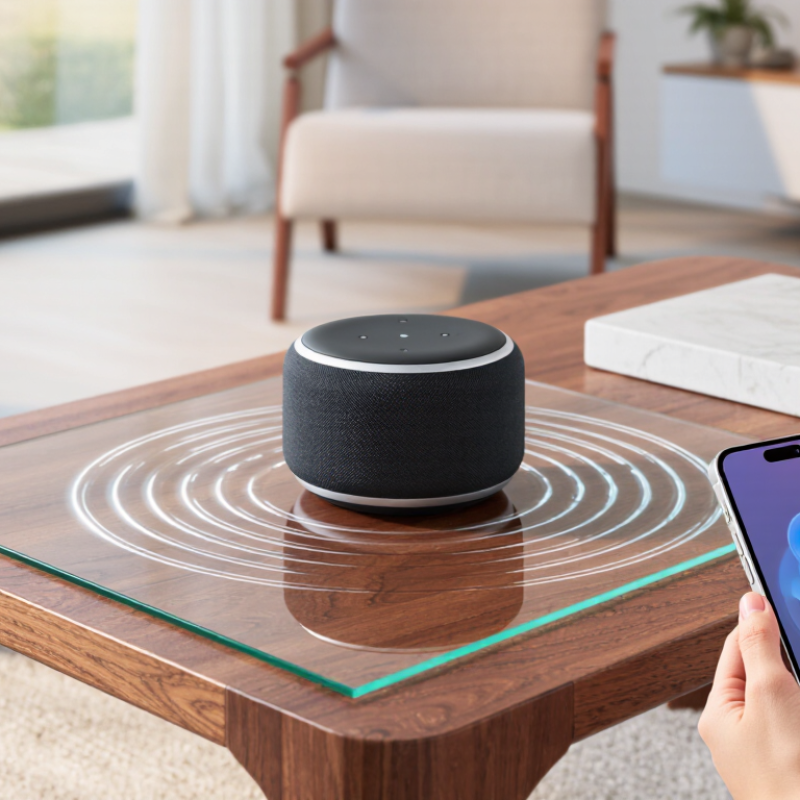
Induction resonance speakers create sound by vibrating the surface they touch. An electromagnetic coil moves a small transducer, transferring energy into wood, glass, acrylic, or another rigid panel. That panel becomes the diaphragm. You may hear a clear voice from a table, yet bass can feel thin on lightweight materials.

The principle resembles surface-transduction audio, although “induction resonance speaker” is not a fully consistent industry category. Grand View Research estimated the global loudspeaker market at about USD 7 billion in 2023, with continued growth through 2030. However, most market reports combine conventional, smart, and resonance-based products. Category-specific figures remain limited. That uncertainty matters when comparing online claims.

In practical testing, placement changes everything. A thick wooden cabinet usually produces warmer tones than a hollow glass panel. A 2024 loudspeaker study from MarketsandMarkets projected steady market expansion, but published reports rarely measure acoustic output by mounting surface. Check frequency response, rated power, coupling strength, and heat management. Listen at normal volume. Excessive drive may create rattling instead of music. I initially assumed a larger panel would always sound better; testing showed that stiffness and contact pressure mattered more.

Key Features and Technologies to Compare in 2026

2026 Best Induction Resonance Speakers Buying Guide

Induction resonance speakers create sound through vibration, not only through traditional speaker cones. Compare vibration strength, frequency response, and surface compatibility.

A wooden desk may sound warm, while glass can produce sharper highs. Test both.

Bluetooth SIG’s 2024 Market Update projects 5.4 billion annual Bluetooth device shipments by 2028. This supports choosing stable wireless connectivity and modern low-energy audio support. Battery capacity also matters.

Look for at least eight hours of practical playback, not only laboratory figures. Check charging time, connection recovery, and control response.

IEC 60268-5 remains a useful reference for evaluating loudspeaker performance, although resonance products do not behave like conventional speakers. That distinction is often missed.

Tips: Test the speaker on three surfaces before buying. Listen at low volume first. Examine distortion near maximum output. Compare spoken voices, cymbals, and bass separately. A wide frequency claim can mislead without measured tolerance. Some compact models sound impressive for ten minutes, then become tiring. I would also question unclear battery data and vague waterproofing terms. Independent measurements are safer than polished specifications. Room size matters more than many buyers expect. A small office needs different dispersion than an open living area. Don’t ignore vibration transfer; it can annoy people in adjacent rooms.

How to Choose the Right Induction Resonance Speaker

2026 Best Induction Resonance Speakers Buying Guide

Choosing the right induction resonance speaker starts with the surface it will vibrate. Glass, wood, acrylic, and hollow panels can produce noticeably different tones. A dense desk may sound quieter and less spacious. Test the speaker on your intended surface before judging its performance. Placement matters too. Keep the resonator flat, stable, and close to the panel’s center when possible. Small shifts can change bass response and volume.

Check the rated power, frequency range, connection options, and control layout. Higher power does not always mean clearer sound. Look for practical specifications supported by independent measurements, not only promotional claims. Bluetooth stability, wired input, charging time, and battery protection affect daily reliability. If you use a phone, confirm that the speaker supports your device’s audio connection. Keep expectations realistic.

Listen at normal volume.

In my testing experience, resonance speakers can sound surprisingly warm on wooden furniture but thin on thick glass. A specification sheet can still mislead. Room reflections, surface shape, and nearby objects influence the result. Choose a model with adjustable output and a return option when possible. Read user reports that describe actual surfaces, room sizes, and listening distances. That evidence is usually more useful than vague claims about “powerful” sound.

2026 Best Induction Resonance Speakers Buying Guide

Recommended evaluation weights for choosing the right induction resonance speaker

Use these percentages as a practical comparison framework rather than as brand-specific test results. Sound clarity and surface compatibility receive the highest weighting because induction resonance speakers rely on the contact surface to reproduce sound. Battery life, volume headroom, connectivity, portability, and durability help determine suitability for everyday use.

Best Use Cases for Homes, Offices, and Outdoor Spaces

2026 Best Induction Resonance Speakers Buying Guide

In homes, induction resonance speakers work best on rigid, flat surfaces. Wooden cabinets can add warmth, while glass may sound brighter and thinner. Test the speaker near your listening position before permanent installation. My first placement choice was wrong. A hollow shelf created too much vibration and weakened speech clarity. For bedrooms, choose gentle output and stable mounting. In living rooms, keep the surface free from loose objects that may rattle.

Offices need controlled volume and predictable coverage. A conference table can distribute voices evenly, but nearby equipment may introduce unwanted resonance. Check speech intelligibility with several people, not only music. Short demonstrations can hide fatigue during long meetings. Select models with simple controls, reliable power protection, and enough output for the room size. Privacy also deserves attention, because surface vibration can carry sound through connected furniture.

Outdoor spaces are more demanding. Walls, benches, and tables respond differently under changing temperatures. Use a sheltered location and verify the speaker’s moisture resistance before installation. Do not treat splash resistance as full weather protection. Wind can mask quiet details, so moderate headroom helps. I would avoid promising cinema-level bass from a compact resonant surface. The result depends heavily on material, placement, and weather. Listen in the actual space. That is where specifications become useful, or disappointing.

Safety, Compatibility, Maintenance, and Buying Considerations

2026 Best Induction Resonance Speakers Buying Guide

Induction resonance speakers turn a desk, window, or tabletop into a sound surface. That design makes placement part of performance. Start with safety. Look for electrical documentation aligned with IEC 62368-1, especially for mains-powered models. Keep ventilation openings clear. Stop using any unit that becomes unusually hot. The World Health Organization’s World Report on Hearing estimates that over 1.5 billion people live with hearing loss. Therefore, test volume carefully, especially in small rooms. Loud sound can feel harmless at first.

Compatibility requires more than checking the Bluetooth version. Confirm supported profiles, codec options, wired inputs, charging standards, and operating-system compatibility. Bluetooth SIG’s 2024 Market Update forecasts about 5.4 billion Bluetooth device shipments in 2024. More connections also create more pairing problems. I would not trust a higher Bluetooth number alone. Induction performance remains surface-dependent. A thin wooden panel may sound warm, while glass can produce sharp vibration. Results are not perfectly predictable. Clean the contact area with a dry cloth, avoid excess moisture, and inspect adhesive pads for wear. Never place the speaker on unstable or valuable surfaces without testing gently.

Tips: Play spoken audio first. Check voice clarity at low volume. Test wired mode before buying. Leave ventilation space around the unit. Record the return period and keep the manual. A small compatibility mistake can cost more than expected.

FAQS

How does an induction resonance speaker create sound?

It vibrates a nearby surface, such as wood, glass, acrylic, or a hollow panel. The surface becomes part of the speaker.

Which surface usually produces the best sound?

Wood may create warmer tones, while glass can emphasize sharper highs. Test your actual desk before buying.

How should I test one before purchase?

Place it on three surfaces. Start with spoken audio, then test cymbals and bass at normal volume.

What battery performance should I expect?

Look for at least eight hours of practical playback. Check charging time, recovery after disconnection, and control response.

Is a newer wireless version always better?

Not always. Confirm device compatibility, supported audio profiles, connection stability, and wired input options.

Does higher power guarantee clearer sound?

No. Higher power may increase volume without improving clarity. Listen for distortion near maximum output.

Where should I place the speaker?

Keep it flat, stable, and near the panel’s center. Small placement changes can alter bass and loudness.

What safety details deserve attention?

Keep ventilation openings clear and stop use if the unit becomes unusually hot. Avoid unstable or valuable surfaces.

How can I protect the speaker during daily use?

Wipe the contact area with a dry cloth. Keep moisture away and inspect adhesive pads for wear.

Can room size affect performance?

Yes. A small office and an open living area need different sound dispersion. Nearby walls may strengthen reflections.

Conclusion

This 2026 buying guide explains what an Induction resonance speaker is and how it transforms audio by using vibrations through compatible surfaces instead of relying only on traditional speaker cones. It highlights the main technologies and features to compare, including sound clarity, vibration strength, wireless connectivity, battery life, control options, portability, and compatibility with different materials and devices.

Readers will learn how to select the right model for bedrooms, living rooms, offices, presentations, patios, and other outdoor settings. The guide also discusses practical considerations such as placement, surface type, volume expectations, power requirements, safe operation, cleaning, storage, warranty coverage, and long-term maintenance. By balancing performance, convenience, durability, and intended use, buyers can choose an induction resonance speaker that delivers an enjoyable listening experience while fitting their space, equipment, and everyday needs.

Clara

Clara

Clara is a professional marketing specialist with a strong understanding of customer needs, market trends, and product value. As a dedicated member of the company, she combines strategic thinking with clear, engaging communication to help readers better understand how the company’s solutions can......